
Introduction: A Symphony of Strength and Strategy
Rugby is a sport of paradoxes. It is both elegant and savage, strategic and instinctive, disciplined yet full of explosive spontaneity. Unlike many other high-contact sports, rugby carries with it a deep undercurrent of respect—for the rules, the referee, the teammates, and even the opposition. Played in over 100 countries and followed by millions worldwide, rugby is more than just a game. It is a culture, a code, and in many ways, a classroom of character.
From its muddy English roots to sun-drenched stadiums in the Southern Hemisphere, rugby’s appeal lies in its raw authenticity and the sense of community it cultivates.
The Birth of Rugby: A Glorious Accident
Rugby’s origin story is the stuff of legend. In 1823, during a football match at Rugby School in Warwickshire, England, a young student named William Webb Ellis is said to have picked up the ball and run with it. That one impulsive act of rebellion gave birth to an entirely new sporting code.
As the decades unfolded, the game formalized, with distinct rules and regional styles emerging. By the late 19th century, rugby had already spread to the British colonies, planting seeds that would grow into rugby superpowers like New Zealand, Australia, and South Africa.
Forms of the Game
Though rugby has many forms, two major formats dominate the professional landscape:
-
Rugby Union: The more traditional code, featuring 15 players per side and emphasizing set pieces, continuity, and tactical kicking.
-
Rugby League: A faster-paced variation with 13 players per team, fewer stoppages, and an emphasis on running and structured play.
Each version has carved out a loyal following, with Union typically enjoying a more global reach, particularly in Europe, Africa, and the Pacific Islands.
Anatomy of a Rugby Match
To the untrained eye, rugby might appear as a whirlwind of crashing bodies and scrambled sprints. But for those who understand its rhythm, it’s a game of complex choreography.
Basic Structure:
-
Two halves of 40 minutes each
-
Continuous, free-flowing play with few stoppages
-
Objective: To score more points than the opponent through tries, conversions, penalties, and drop goals
Scoring Breakdown:
-
Try (5 points) – Grounding the ball in the opponent’s in-goal area
-
Conversion (2 points) – Kicking the ball through the uprights after a try
-
Penalty Kick (3 points) – Awarded for infringements
-
Drop Goal (3 points) – A live play kick that scores if successful
Key Phases of Play:
-
Scrum – A contested restart involving the forward packs
-
Line-Out – A method of resuming play when the ball goes into touch
-
Ruck and Maul – Physical contests for ball possession during open play
Each position on the field—from the gritty front row forward to the graceful fullback—has a distinct role, and success hinges on seamless coordination.
Core Values: More Than Just a Game
What sets rugby apart from many other sports is its unwavering adherence to a moral compass. The World Rugby core values—integrity, passion, solidarity, discipline, and respect—are not merely slogans. They are embedded in the sport’s DNA.
Respect for the Referee
Unlike in football or basketball, dissent is not tolerated. Even the most passionate disputes are tempered by a shared respect for the game’s traditions and authority.
Brotherhood Over Rivalry
Opponents on the field, players often become friends off it. Post-match, it’s common to see rival teams sharing food, drinks, and camaraderie.
Discipline as a Badge of Honor
Rugby players are expected to hold themselves accountable—not only in their play but in how they conduct themselves as representatives of their club, country, and community.
Global Reach: From the Grassroots to Glory
Rugby’s international presence continues to expand, with diverse nations embracing the sport both competitively and recreationally.
Top Rugby Nations:
-
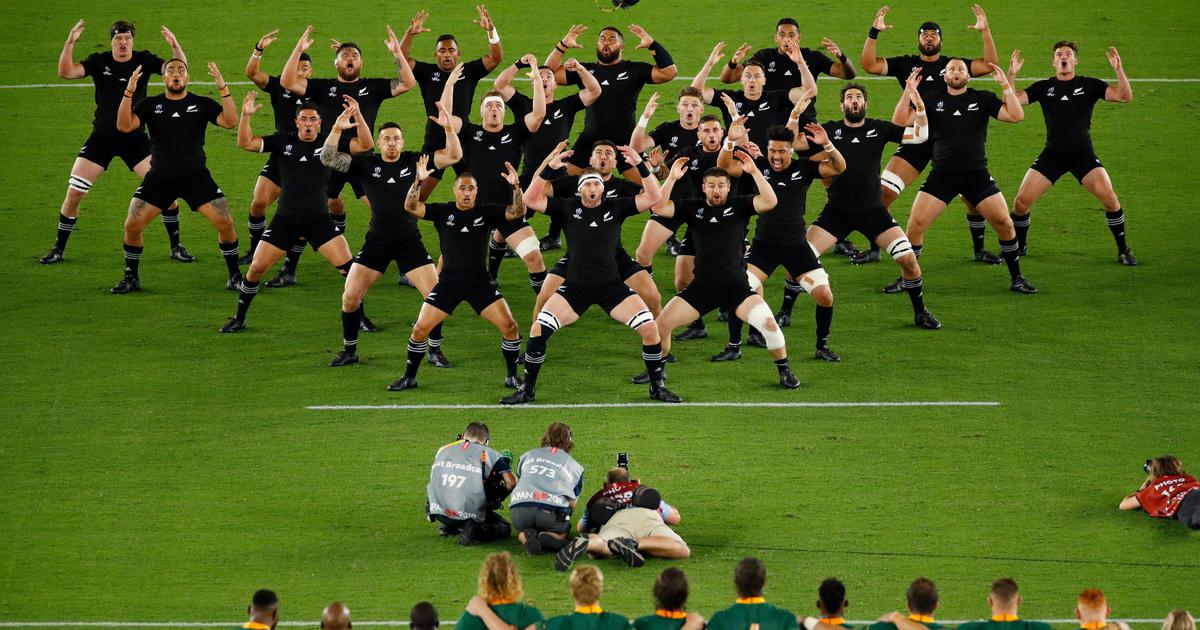
New Zealand – Synonymous with excellence, the All Blacks remain one of the most feared teams globally
-
South Africa – A powerhouse with a deep social and political connection to the game
-
England and France – Boasting elite domestic leagues and fervent fan bases
-
Australia, Wales, Ireland, Scotland – Nations steeped in tradition and rich rivalries
Emerging Nations:
-
Japan – Their stunning upset of South Africa in the 2015 World Cup put them firmly on the global map
-
Fiji, Samoa, Tonga – Pacific Island nations with immense natural talent and flair
-
Argentina – A passionate rugby nation, known for its physical play and tactical depth
The Rugby World Cup—held every four years—is a spectacular celebration of the sport. It draws billions of viewers and serves as the sport’s ultimate proving ground.
The Rise of Women’s Rugby
Women’s rugby has experienced a remarkable transformation. No longer seen as a niche or novelty, it has become a fast-growing, professional, and highly respected discipline.
Key Drivers of Growth:
-
Major tournaments like the Women’s Rugby World Cup and Olympic Rugby Sevens
-
Professional contracts for top players in leagues across England, France, and New Zealand
-
Increased media coverage and grassroots initiatives worldwide
Trailblazers such as Sarah Hunter, Portia Woodman, and Magali Harvey are inspiring a generation of young girls to lace up their boots and take to the field.
Rugby’s Social Impact: Building Character Beyond the Pitch
Rugby has long been used as a tool for development, education, and social change.
Examples of Positive Impact:
-
Youth Empowerment Programs in Africa and South America, teaching life skills through rugby
-
Peace Initiatives in conflict zones, uniting communities through sport
-
Inclusion Projects for people with disabilities and mixed-ability rugby teams
-
Rugby for Refugees initiatives in Europe, promoting integration and support
The sport’s values extend far beyond stadium lights and cheering crowds. Rugby shapes people into responsible, resilient, and respectful citizens.
The Road Ahead: Challenges and Opportunities
As rugby moves deeper into the 21st century, it must navigate both opportunity and adversity.
Current Challenges:
-
Ensuring player safety, especially around concussion protocols
-
Balancing commercial growth with tradition
-
Expanding the game into non-traditional markets
Promising Developments:
-
Integration of technology for officiating and player performance
-
Continued investment in women’s rugby
-
Rugby Sevens’ inclusion in the Olympics, bringing broader exposure
Conclusion: A Sport Like No Other
In a world where many sports chase instant fame and fortune, rugby continues to stand for something deeper. It is not just a contest of strength, but a celebration of human spirit. It rewards not only athleticism but character. It reminds us that while winning is sweet, the journey—fought shoulder to shoulder—is what truly matters.
To play rugby is to join a global fraternity. To watch it is to witness the beautiful collision of strategy, honor, and heart. And to live its values is to carry a little piece of the game, long after the final whistle has blown.
 Lets Play Sport Blog