
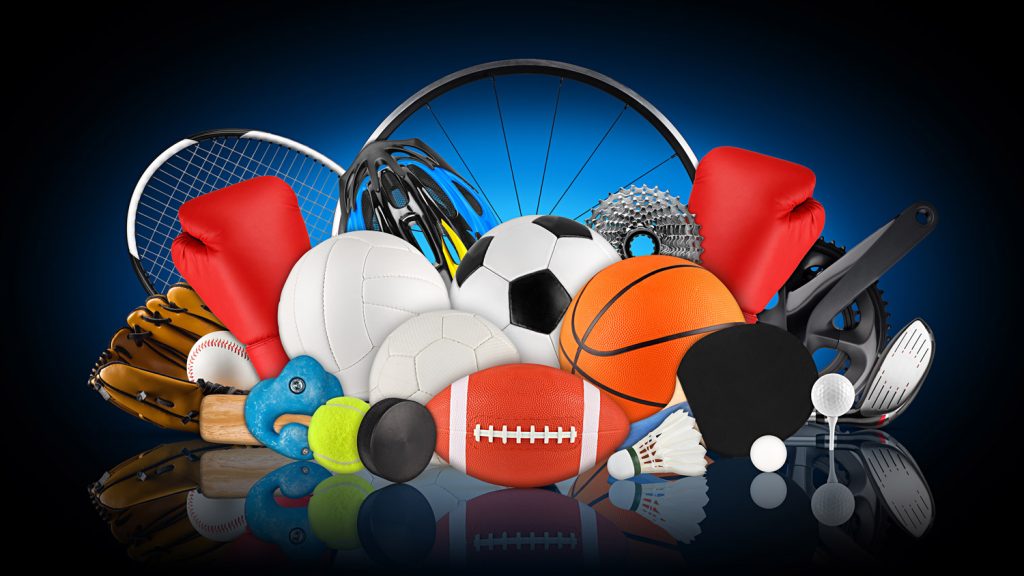
Introduction: More Than a Game
Sport is one of the few realms of human endeavor that transcends language, borders, and ideologies. Whether in a dusty village field or a colossal Olympic stadium, sport speaks a language understood by all: effort, resilience, passion, and hope. From ancient rituals to modern-day mega events, the enduring appeal of sport lies in its ability to reflect human potential, inspire communities, and act as a catalyst for personal and societal change.
While often viewed through the lens of entertainment or competition, sport is much more than a scorecard or a gold medal—it is an evolving narrative of humanity’s striving for excellence, connection, and meaning.
A Historical Tapestry: The Origins and Evolution of Sport
The roots of sport are deeply intertwined with history and culture. The earliest evidence of organized sporting activities can be traced back to ancient civilizations. The Olympic Games, first held in 776 BC in ancient Greece, were more than contests of physical strength; they were spiritual festivals that celebrated harmony between body and mind.
In ancient China, archery was both a sport and a philosophical discipline. Indigenous communities in Africa, the Americas, and Oceania all had traditional games that served as rites of passage, social glue, or preparations for battle. Across time and geography, sport emerged as a mirror of society’s values and a training ground for its people.
With the rise of industrialization in the 19th century, sport underwent formalization. Rules were codified, clubs and leagues were founded, and international competitions emerged. The 20th century witnessed the professionalization of athletes, the birth of televised sports, and the rise of global tournaments that brought nations together in moments of pride, heartbreak, and jubilation.
Sport as a Pathway to Personal Growth
At the individual level, sport is an extraordinary medium for cultivating physical, mental, and emotional development. Whether played casually or competitively, it fosters habits and attitudes that extend far beyond the playing field.
Core Life Skills Sport Cultivates:
-
Discipline and Routine: The demands of consistent practice teach time management and commitment.
-
Resilience in Adversity: Losses, setbacks, and injuries build mental toughness and emotional balance.
-
Teamwork and Leadership: Learning to collaborate and lead under pressure enhances interpersonal and communication skills.
-
Goal Orientation: Sport encourages setting, pursuing, and achieving progressive goals, often amidst uncertainty.
-
Confidence and Self-Esteem: Overcoming physical and mental barriers enhances self-worth and personal agency.
These benefits are particularly profound for young people. Participation in sport at an early age can lay a foundation for lifelong well-being and success, both on and off the field.
Sport as a Cultural Unifier and Global Voice
Sport possesses an unmatched ability to bring people together across lines of difference. In a world that often seems divided, sport offers moments of shared emotion, common goals, and collective identity.
Cultural and Social Functions of Sport:
-
National Pride: Victories in international competitions often symbolize progress, unity, or resurgence.
-
Cross-Cultural Dialogue: Global tournaments foster understanding and appreciation of diverse traditions and values.
-
Peacebuilding and Diplomacy: “Ping-pong diplomacy” and Olympic truce initiatives have shown how sport can defuse political tensions.
-
Social Inclusion: Community sports programs empower marginalized groups, offering a sense of belonging and purpose.
Sport also amplifies social movements. Athletes have increasingly taken stands on issues such as racial injustice, gender inequality, mental health, and climate action. Their visibility makes sport a potent platform for societal change.
The Business of Sport: A Global Economic Engine
Modern sport is not just a cultural force—it is a global industry generating billions of dollars annually. From broadcasting rights and ticket sales to merchandise and sponsorships, the economic influence of sport is vast and multifaceted.
Key Economic Impacts:
-
Professional Leagues and Franchises: Major leagues like the NFL, EPL, and NBA operate as multinational corporations, employing thousands.
-
Sports Tourism: Global events such as the World Cup and Olympics boost local economies through tourism and infrastructure development.
-
Merchandising and Retail: Branded apparel, equipment, and memorabilia are integral to the sports economy.
-
Digital Engagement: Streaming platforms, fantasy leagues, and mobile apps have created new revenue streams and fan experiences.
However, commercialization brings challenges. Balancing profitability with authenticity, ensuring fair compensation, and safeguarding the integrity of sport are ongoing debates that shape its future.
Navigating Modern Challenges in Sport
Despite its many virtues, the world of sport is not immune to problems. Several issues threaten its credibility, inclusivity, and long-term impact.
Key Challenges in Contemporary Sport:
-
Corruption and Governance: Scandals involving match-fixing or mismanagement have damaged trust in governing bodies.
-
Doping and Ethical Violations: The use of performance-enhancing substances undermines fairness and athlete health.
-
Gender Inequality: Pay gaps, media bias, and lack of institutional support continue to disadvantage women athletes.
-
Mental Health Stigma: The pressure to perform often comes at the cost of mental well-being, a reality now increasingly acknowledged.
-
Access and Equity: In many parts of the world, economic and social barriers limit participation in organized sport.
Solving these issues requires comprehensive reform, community engagement, and a renewed commitment to sport’s foundational values: respect, integrity, and inclusion.
The Future of Sport: Innovation and Inclusion
The future of sport is being reshaped by technology, evolving social norms, and growing environmental awareness. While tradition remains important, innovation is key to keeping sport relevant and inclusive in a rapidly changing world.
Trends Shaping the Future:
-
Digital and Virtual Engagement: Augmented reality, esports, and immersive broadcasts are redefining fan experiences.
-
Wearable Tech and Data Analytics: These tools help athletes maximize performance while minimizing injury.
-
Sustainable Sport Practices: Eco-friendly stadiums, green events, and sustainable merchandise reflect a shift toward environmental responsibility.
-
Adaptive and Inclusive Sport: Initiatives promoting para-sport and community access are expanding the definition of who gets to play.
As sport evolves, it must do so with a human-centered lens—honoring its heritage while embracing the possibilities of a more just and connected world.
Conclusion: The Timeless Gift of Sport
Sport, in its purest form, is a celebration of what it means to be human. It is about striving, not just to defeat others, but to better oneself. It is about grace under pressure, humility in victory, and dignity in defeat. It offers joy, purpose, and connection in a world that often lacks all three.
In playgrounds, stadiums, and even virtual arenas, sport continues to inspire, transform, and unite. It reminds us that beyond the noise of competition lies something sacred—a shared journey toward excellence, fairness, and community.
 Lets Play Sport Blog