
Introduction: More Than Just a Game
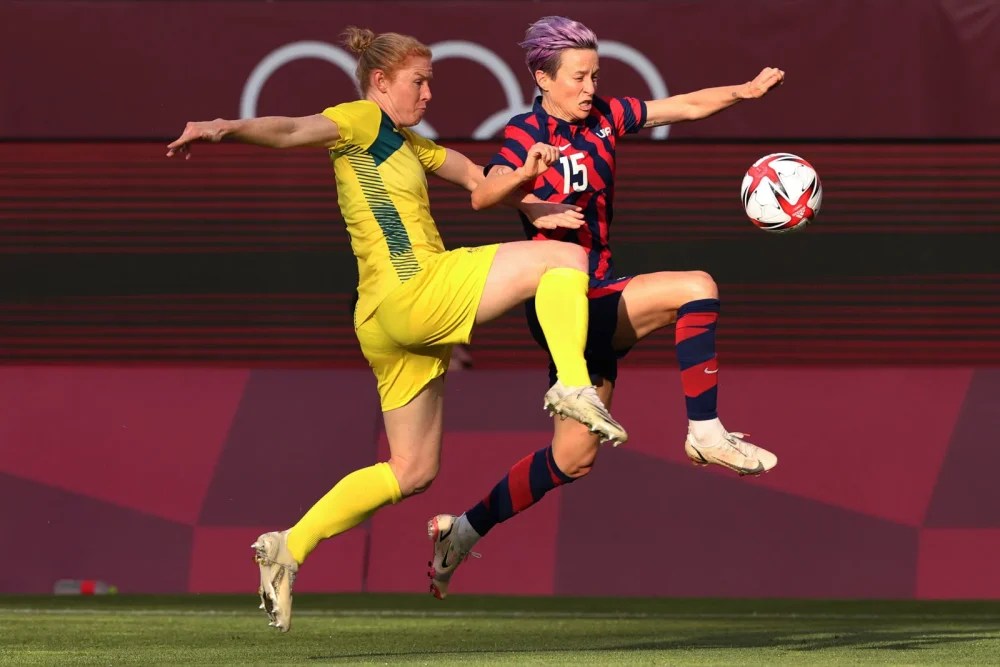
Soccer—known as football to most of the world—is not merely a sport. It is a universal language spoken across every continent, played in bustling cities and remote villages alike. With its simple rules, minimal equipment, and limitless passion, soccer bridges cultural, economic, and political divides, making it the most popular and unifying sport on Earth. From dirt fields in Africa to the grand stadiums of Europe, soccer holds the power to inspire, educate, and connect people in ways that few other things can.
A Global Obsession: Why Soccer Reigns Supreme
Unlike many sports that are regionally confined or class-bound, soccer is astonishingly inclusive. All you need is a ball—or even something resembling one—and space to play. This accessibility is the bedrock of its global appeal.
Key reasons for soccer’s unparalleled popularity:
-
Simplicity: The rules are easy to understand, even for a novice.
-
Affordability: No expensive gear or specific playing surface is required.
-
Media Exposure: Major tournaments like the FIFA World Cup and UEFA Champions League enjoy massive global viewership.
-
Cultural Integration: Soccer is embedded into the identity of countless nations, becoming part of festivals, folklore, and everyday conversation.
The World Cup final alone draws more than a billion viewers globally, a staggering testament to soccer’s universal magnetism.
The Cultural Power of Soccer
Soccer does more than entertain. It serves as a powerful cultural mirror and catalyst. Countries express their identities through their national teams—the flair of Brazil, the precision of Germany, the heart of Argentina.
Ways soccer influences and reflects culture:
-
National Pride: Victories on the pitch often serve as metaphors for national success or resilience.
-
Social Cohesion: Clubs and national teams bring together people across racial, economic, and religious lines.
-
Political Messaging: Soccer has historically played roles in both uniting and dividing nations, from Nelson Mandela’s use of rugby and soccer for reconciliation in post-apartheid South Africa to the infamous “Football War” between El Salvador and Honduras.
Soccer often becomes a shared narrative, a collective emotion wrapped in the triumphs and defeats of a nation’s team.
The Youth Connection: A Tool for Education and Growth
In developing regions, soccer is more than play—it is opportunity. Countless programs use soccer as a gateway to education, health awareness, and social mobility.
Why soccer is an effective tool for youth development:
-
Discipline and Teamwork: Training instills a sense of responsibility, cooperation, and perseverance.
-
Mentorship and Role Models: Young players look up to stars like Didier Drogba or Megan Rapinoe, who exemplify excellence and activism.
-
Community Engagement: Soccer academies and community clubs offer safe spaces for children, keeping them away from drugs, crime, or conflict.
Notably, global organizations like FIFA and UNESCO invest heavily in soccer-based initiatives, underscoring the sport’s far-reaching influence beyond the pitch.
From Street Corners to Stadium Lights: The Professional Allure
For many, soccer is a path from obscurity to stardom. The stories of players like Cristiano Ronaldo—who rose from poverty in Madeira—or Sadio Mané—who trained in worn-down boots in Senegal—are not just inspirational but emblematic of the sport’s meritocratic nature.
Characteristics of professional soccer’s enduring appeal:
-
Dramatic Narratives: The underdog victories, last-minute goals, and career-defining moments are pure theatre.
-
Global Icons: Players become international celebrities, influencing fashion, activism, and even politics.
-
Lucrative Ecosystem: Soccer fuels a massive industry of broadcasting rights, sponsorship deals, merchandise, and tourism.
Beyond the glitz, however, professional soccer retains its roots. The same joy felt in a Champions League final exists in a Sunday neighborhood game—it’s simply magnified.
The Women’s Game: Breaking Boundaries, Shaping Futures
While historically underfunded and underpromoted, women’s soccer has gained rapid traction over the past two decades. Players like Marta, Alex Morgan, and Sam Kerr have become household names, inspiring young girls globally.
Recent strides in women’s soccer:
-
Equal Pay Movements: National teams in the U.S., Norway, and Australia have fought for—and achieved—equity in compensation.
-
Growing Audiences: The Women’s World Cup 2019 saw record-breaking attendance and broadcast numbers.
-
Grassroots Expansion: Female participation is growing, with dedicated leagues and training academies worldwide.
The momentum is undeniable. Women’s soccer is not a niche—it’s the future alongside the men’s game.
Challenges in the Modern Era
Even with its immense popularity, soccer faces pressing issues that must be addressed for sustainable growth.
Major concerns confronting the sport:
-
Corruption and Governance: Scandals involving major soccer bodies have eroded public trust.
-
Commercial Overreach: Excessive commercialization risks detaching the game from its grassroots essence.
-
Racism and Discrimination: Despite campaigns like “Kick It Out,” discrimination remains a scourge at many levels.
-
Player Welfare: Concerns over physical and mental fatigue, especially in congested calendars, demand attention.
Resolving these issues requires unified global action, from fans to federations.
Conclusion: The Timeless Rhythm of Soccer
In a world increasingly fragmented by ideology and geography, soccer offers something profoundly unifying. It invites us to cheer, cry, celebrate, and mourn as one. It speaks to the young and the old, the rich and the poor, with a ball that rolls through borders and bounces off barriers.
Whether played under the lights of the Maracanã or on a dusty alley in Nairobi, soccer is more than a sport. It’s a heartbeat shared by humanity, pulsing to the rhythm of a beautiful game.
 Lets Play Sport Blog