
Introduction: The Pulse of Human Potential
Athletics is the very heartbeat of human competition. Rooted deeply in ancient traditions and elevated by modern innovation, it transcends cultural barriers and societal divides. It is not merely a collection of physical events; it is the living narrative of humanity’s desire to run faster, leap higher, and endure longer. From sun-drenched stadiums to rugged cross-country trails, athletics epitomizes effort, grit, and the pursuit of excellence in its purest form.
A Glorious Legacy: Where It All Began
Athletics dates back thousands of years, with the earliest recorded competitions found in ancient Egypt and Mesopotamia. However, it was the Greeks who institutionalized athletics through the Olympic Games, beginning in 776 BCE. These events honored the gods, celebrated the body, and brought city-states together in peaceful rivalry.
The ancient pentathlon—comprising running, jumping, discus, javelin, and wrestling—laid the foundation for the modern format. Athletics was seen not only as a test of physical prowess but also of character, discipline, and honor.
The Core Events of Athletics: A Tapestry of Human Ability
Today’s athletics comprises a wide range of events, all testing different aspects of physical and mental performance. These are broadly classified into the following categories:
Track Events
-
Sprints: 100m, 200m, and 400m races test explosive power and speed.
-
Middle-Distance: 800m and 1500m races combine speed with endurance.
-
Long-Distance: 5000m, 10000m, and marathon events challenge stamina and strategy.
-
Hurdles & Steeplechase: These events introduce technical elements to running, requiring agility and timing.
Field Events
-
Jumping: High jump, long jump, triple jump, and pole vault test vertical and horizontal propulsion.
-
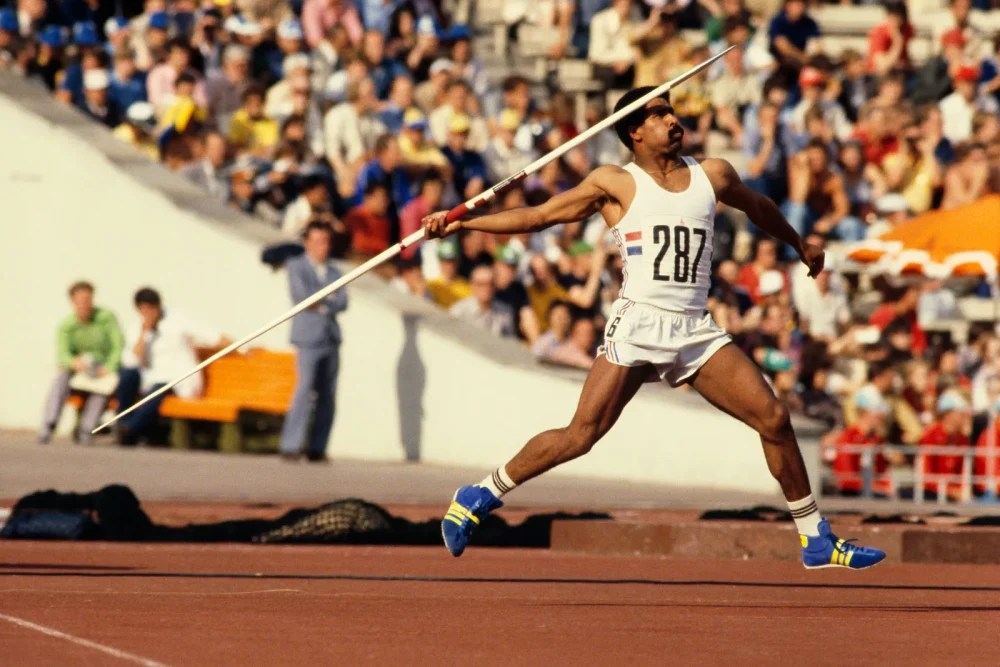
Throwing: Shot put, discus, javelin, and hammer throw demand strength, technique, and precision.
Combined Events
-
Decathlon (men) and Heptathlon (women) assess versatility by combining multiple disciplines over two days.
Road and Cross-Country Running
-
These events often span natural terrains and urban landscapes, making them accessible and globally popular.
The Science of Success: Training, Technology, and Transformation
Gone are the days when natural talent alone could guarantee victory. Today, athletics is a sophisticated intersection of sports science, psychology, and biomechanics.
Key Advancements in Athletic Training
-
Data-Driven Coaching: Wearable devices provide real-time feedback on heart rate, stride efficiency, and fatigue levels.
-
Nutrition and Recovery: Custom diet plans and regenerative techniques like cryotherapy and hyperbaric chambers maximize performance.
-
Biomechanical Analysis: Video breakdowns and motion capture help refine technique to the millimeter.
High-Performance Gear
-
Running shoes now feature carbon fiber plates and energy-return foam.
-
Lightweight, aerodynamic clothing reduces drag and regulates body temperature.
While technology enhances performance, it also invites ethical debates about where to draw the line between assistance and unfair advantage—a conversation that continues to shape the future of the sport.
Athletics and the Human Spirit
Athletics is not just about winning medals; it’s about overcoming adversity, testing limits, and telling stories that resonate universally.
Iconic Examples of Grit and Glory
-
Jesse Owens (1936): Defied racial prejudice by winning four gold medals in Nazi Germany.
-
Wilma Rudolph (1960): Overcame childhood polio to become a sprinting sensation.
-
Derek Redmond (1992): Finished an Olympic race with a torn hamstring, helped by his father—an eternal image of resilience.
Mental Fortitude in Athletics
-
The pressure to perform on the global stage can be overwhelming.
-
Athletes often work with sports psychologists to manage stress, anxiety, and the weight of expectation.
-
Mental endurance often separates the great from the good, particularly in long-distance and multi-event competitions.
A Global Stage: Representation and Inspiration
Athletics is one of the most globally inclusive sports, uniting countries from every continent. Nations like Kenya and Ethiopia dominate long-distance running. Jamaica reigns in sprinting. European and American athletes shine in field events and combined competitions.
This global reach has made athletics a powerful tool for diplomacy, social change, and national pride.
Social Impact and Cultural Significance
-
Athletics provides a platform for marginalized voices and political expression.
-
Gender equality has grown significantly, though challenges remain in areas like pay equity and media representation.
-
Initiatives like World Athletics’ “Athletics for a Better World” promote community engagement and inclusivity.
Challenges and Controversies
Despite its universal appeal, athletics is not without its struggles.
Persistent Issues
-
Doping Scandals: High-profile cases have tarnished reputations and raised questions about oversight.
-
Fairness in Classification: Especially regarding gender identity and naturally high testosterone levels.
-
Commercialization: Balancing commercial interests with athlete well-being is an ongoing concern.
The sport’s governing bodies continue to refine policies to preserve fairness, integrity, and the spirit of honest competition.
The Road Ahead: Sustaining a Legacy
Athletics must adapt to remain relevant in a fast-changing world. This means leveraging technology without losing its soul, broadening access without diluting standards, and telling stories that inspire younger generations to lace up and run.
Steps Toward a Brighter Future
-
Grassroots Programs: Encouraging youth participation from underserved communities.
-
Sustainability: Hosting eco-friendly events and reducing the sport’s carbon footprint.
-
Innovation in Broadcasting: Using immersive media to attract digital-native audiences.
Conclusion: A Celebration of the Possible
Athletics is the ultimate mirror of human endeavor. It asks us not just to compete, but to elevate ourselves through effort, to find meaning in movement, and to connect with others through shared passion. Whether in the roar of an Olympic stadium or the quiet solitude of a morning jog, athletics continues to remind us of a fundamental truth: greatness is not given—it is earned, one stride at a time.
 Lets Play Sport Blog